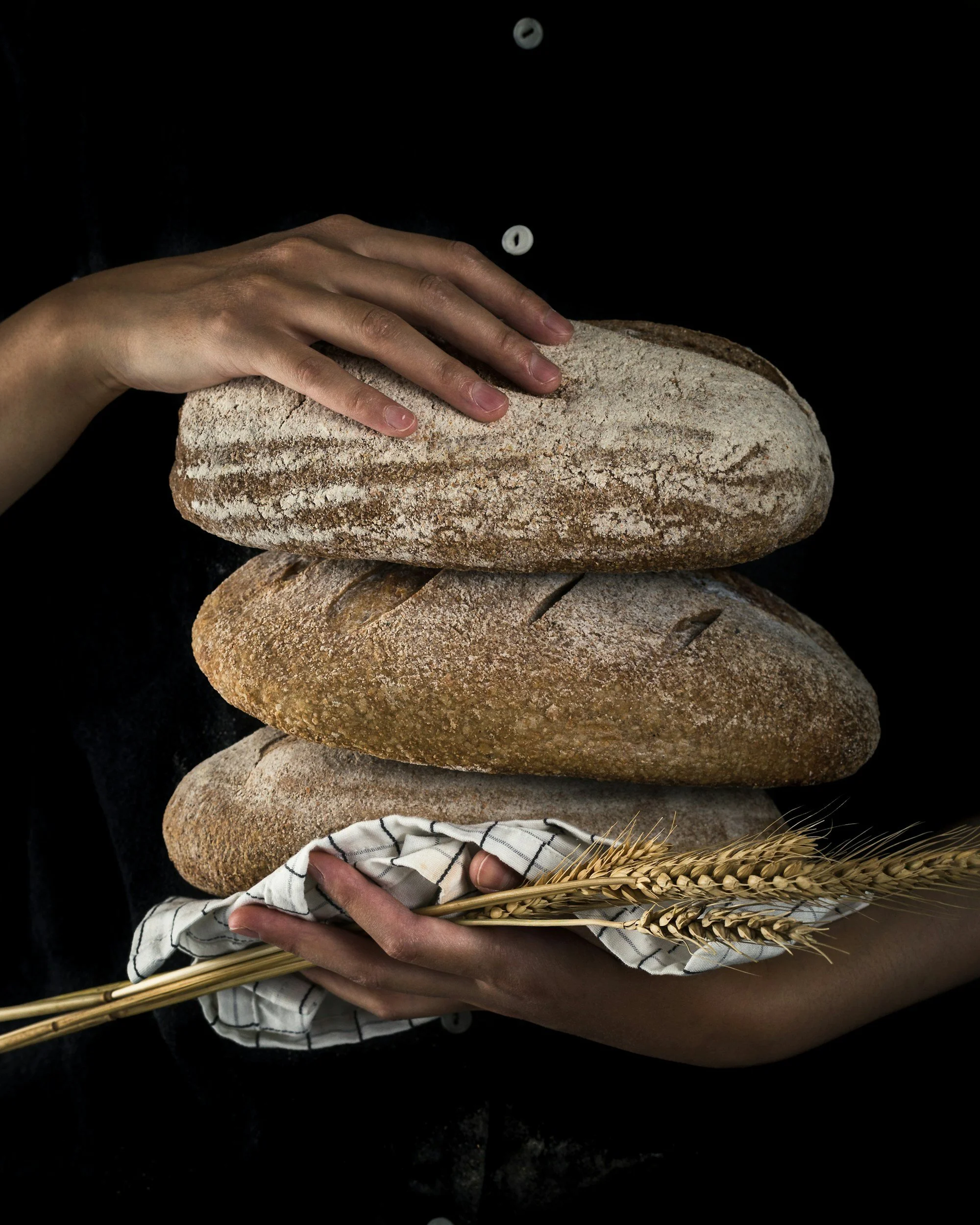
Keeping Bread Fresh
Bread spoils in two ways:
staling and molding.
Why does that happen and how can we prevent it?
Let’s discuss.
Why Bread Goes Stale:
Retrogradation causes all baked goods to have a natural lifespan.
When exposed to air, the moisture can evaporate more easily and bread stales more quickly.
While we can’t completely prevent or stop retrogradation, we can slow it significantly by storing our products air-tight so evaporation happens more slowly; and freezing when possible so that water can’t evaporate.
As soon as a loaf comes out of the oven, moisture naturally begins to evaporate out in a process called retrogradation. As time goes on, baked goods become a little firmer, a little more dry; eventually becoming inedibly hard and flavorless.
This is the mechanism behind staling.

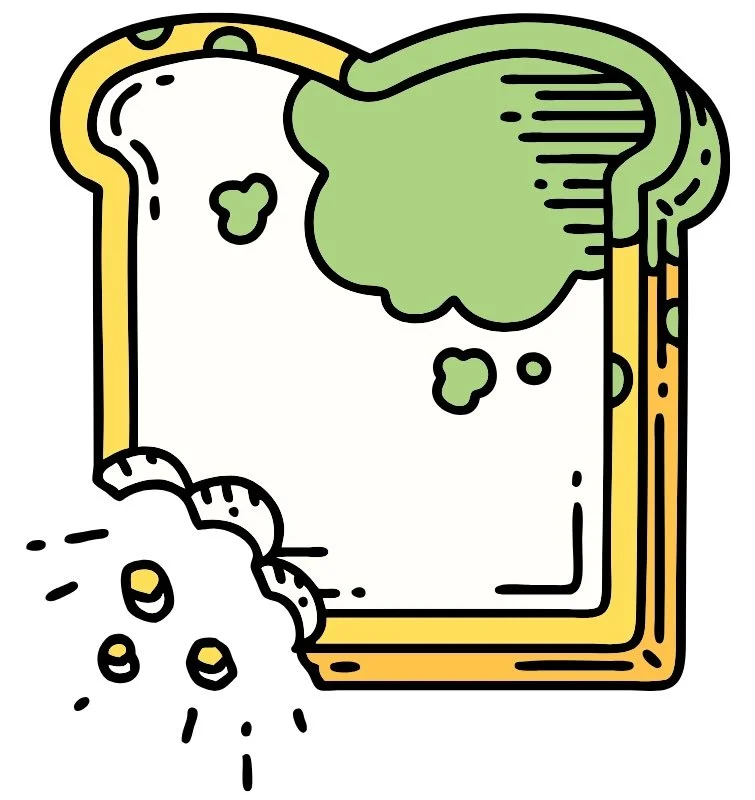
Why Bread Gets Moldy:
However, we live in a world full of microbes. They live on every surface!
If bread is left uncovered or is improperly handled, it can become contaminated by mold spores. Moldy products should not be eaten. Products stored in the same container as the moldy item should also be disposed of, even if there is no visible mold.
Microbes can’t survive the intense heat of the oven, so when it first comes off the hearth, bread is completely sterile.


The most common source of mold is handling with unwashed hands or using dirty cutting boards. Wash your hands and use clean utensils to prevent contamination and mold.
How to Store Bread:
At home:
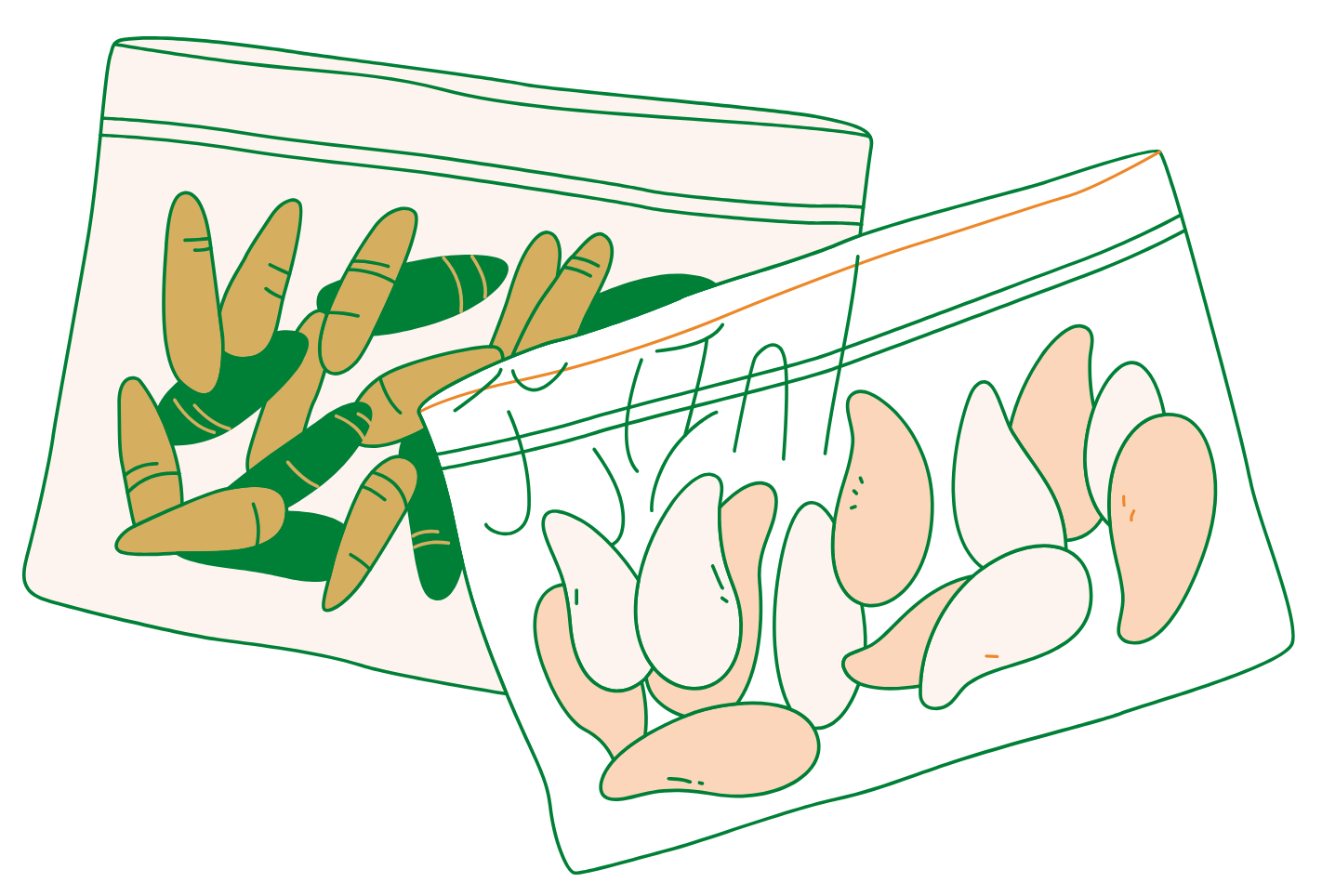
To prevent staling and molding, store baked goods in an airtight container such as plastic wrap or ziplock bags. This keeps moisture IN and keeps mold OUT.
For wholesale clients:
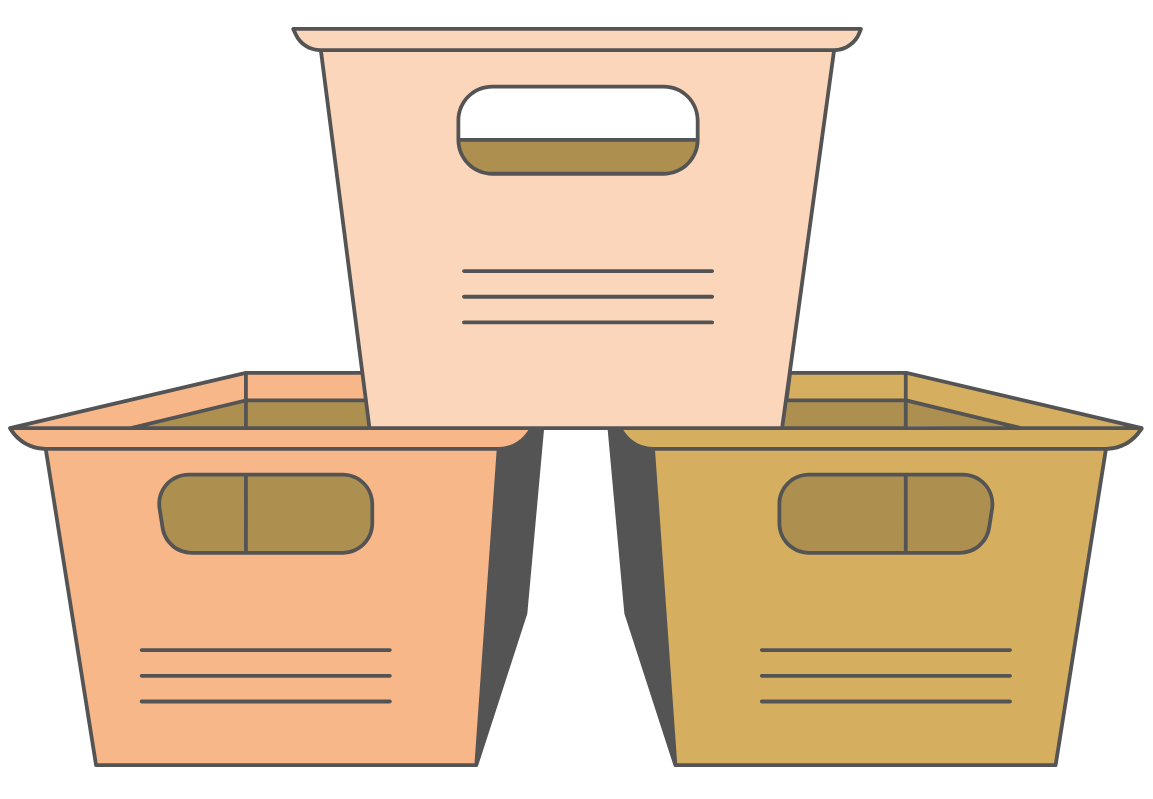
For storing a lot of product at once, we like to use storage bins that clip closed—ideally with a rubber or foam gasket.
Remember:
Exposure to air lets out moisture and lets in mold.
:(
Freezing Bread:

Your freezer is the best tool for preventing spoilage. Freezing bread preserves that “day one” freshness for weeks!
Items should be wrapped airtight to protect against frost.
A double-layer of plastic wrap works best so that there’s very little air inside the package.

Sliced breads and bagels can go right from the freezer to the toaster without needing to defrost. Frozen bread should not be re-frozen after thawing, so only defrost what you need.

Applying Heat to Refresh Bread:
If your bread has lost its “day one” freshness, but is still good to eat, it can be refreshed back to excellent quality using a little heat.
Here are some different ways we like to refresh our bread and pastry.
Microwave
best for:
Brioche
Cinnamon Rolls
Donuts
Glazed Pastry
15-second pulses until warmed through.
A mug of water in the microwave helps create a humid environment, which keeps sweet breads fluffy.
Toaster
best for:
Sliced Bread
Focaccia
Bagels
English Muffins
Powerful, direct heat, often with butter or oil added after toasting.
Oven
best for:
Muffins
Cookies
Scones
Biscuits
Dry, ambient heat, preferably with a convection fan at 350*F for about 3 minutes, until warmed through.

F.I.F.O.
First In, First Out
As with all perishable foods, it’s important to rotate your stock, and use the oldest first. At Honeycomb, we offer a fresh bake every day, and all bread is used or sold within 24 hours, so you can always count your purchase day as “day one”.
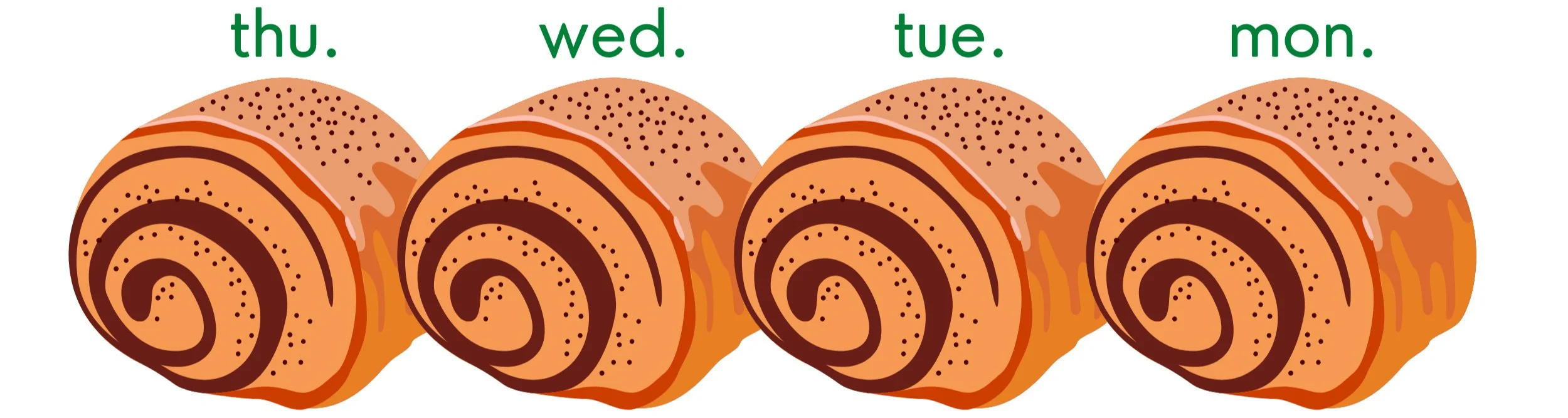
Using date labels and rotating your stock to use older items first is one of the best ways to prevent food waste and enjoy the freshest possible bread.
We don’t want to find a sad, orphaned bagel at the back of your pantry!

Honeycomb Bread is made fresh every day from natural ingredients. They don’t contain any preservatives.
This means, unfortunately, all breads can eventually go stale or moldy in time.
Time Waits for no Bran
Fortunately, Honeycomb is open six days per week, so getting a fresh loaf is easy and convenient!
We look forward to baking for you!

Thank you for your support,
and helping us reduce food waste!